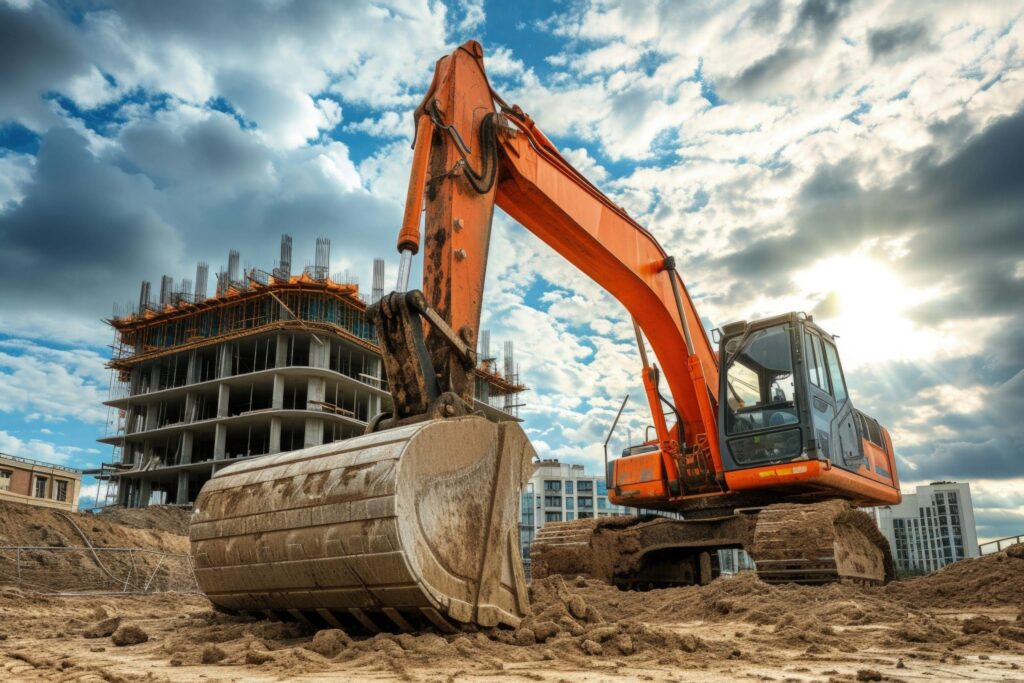
Excavation is a fundamental part of many construction projects, involving the removal of earth to create foundations, trenches, and other substructures. Modern excavation often employs the use of excavators—versatile, powerful machines that can handle a wide range of tasks with precision and efficiency. This article explores the benefits, applications, processes, and considerations of using excavators in excavation projects.
Benefits of Using Excavators
- Efficiency and Speed: Excavators can move large quantities of earth quickly and efficiently, significantly reducing the time required for excavation compared to manual methods.
- Versatility: Equipped with various attachments, excavators can perform multiple tasks such as digging, lifting, and grading, making them suitable for diverse construction activities.
- Precision: Modern excavators are equipped with advanced technology, such as GPS and laser systems, which allow for precise digging and grading, ensuring that excavation is carried out according to exact specifications.
- Safety: Excavators enhance safety on construction sites by minimizing the need for manual labor and reducing the risk of injuries associated with traditional excavation methods.
- Cost-Effectiveness: The speed and efficiency of excavators can lead to cost savings in labor and time, making them a cost-effective solution for many construction projects.
Applications of Excavators
- Foundation Construction: Excavators are used to dig foundations for buildings and other structures, ensuring stable and level bases.
- Trenching: They are ideal for creating trenches for utilities such as water, sewer, and electrical lines, providing the necessary depth and width with precision.
- Land Clearing: Excavators can clear land by removing trees, stumps, and debris, preparing the site for construction.
- Grading and Landscaping: With the appropriate attachments, excavators can grade and level land, as well as perform detailed landscaping work.
- Road and Infrastructure Construction: Excavators play a critical role in road construction, digging out the earth for roadbeds, drainage systems, and other infrastructure components.
The Excavation Process
- Site Preparation: Before excavation begins, the site must be prepared. This involves surveying the area, marking out the excavation boundaries, and removing any obstacles.
- Selecting the Right Excavator: Choosing the appropriate excavator depends on the scale of the project, the type of soil, and the specific tasks to be performed. Options range from mini excavators for small projects to large machines for major construction work.
- Excavation: The actual excavation process involves using the excavator to dig and move earth according to the project requirements. This includes creating trenches, foundations, or other necessary substructures.
- Loading and Hauling: Excavated material is often loaded into dump trucks or other vehicles for removal from the site. This step is crucial for maintaining a clean and safe work environment.
- Finishing Work: Once the main excavation is complete, finishing work may include grading, backfilling, and compacting the soil to ensure stability and readiness for the next phase of construction.
Considerations for Excavation by Excavator
- Soil Conditions: Understanding the type of soil is essential for determining the appropriate excavator and techniques. Different soils require different approaches to ensure efficient and safe excavation.
- Site Access: Ensuring that the site is accessible for the excavator is critical. This includes considering the size of the machine and the terrain it needs to navigate.
- Environmental Impact: Excavation can have significant environmental impacts, such as soil erosion and habitat disruption. Mitigation measures should be planned and implemented to minimize these effects.
- Safety Measures: Safety is paramount in any excavation project. This includes ensuring that the excavator operators are trained and certified, maintaining a safe distance from the excavation site, and adhering to all relevant safety regulations.
- Regulatory Compliance: Compliance with local regulations and obtaining the necessary permits is crucial for legal and safe excavation. This includes adhering to guidelines for depth, boundaries, and environmental protection.
Conclusion
Using excavators for excavation offers numerous advantages in terms of efficiency, versatility, precision, and safety. They are indispensable in a wide range of construction applications, from foundation digging to road construction. By understanding the benefits, applications, and key considerations, construction professionals can effectively utilize excavators to enhance the quality and efficiency of their projects.