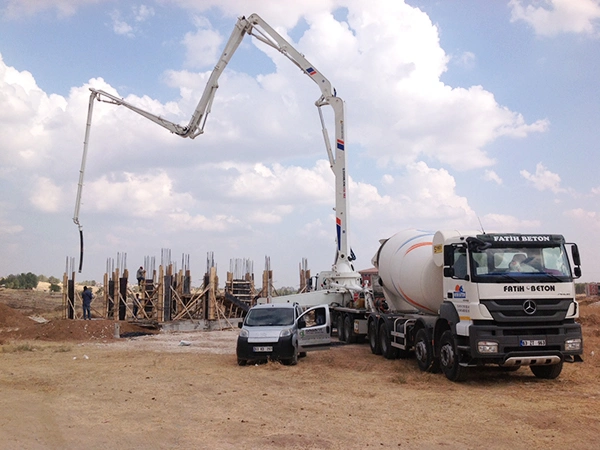
Ready mix concrete (RMC) has revolutionized the construction industry by providing a consistent, high-quality mix that can be delivered to construction sites with precision. One of the most efficient methods of delivering this concrete is through the use of pump cars. These vehicles are equipped with a powerful pump and a long, flexible boom that can deliver concrete to hard-to-reach areas. This article explores the advantages, applications, and considerations of using pump cars for ready mix concrete delivery.
Advantages of Using Pump Cars
- Efficiency and Speed: Pump cars can deliver large volumes of concrete quickly and efficiently. This reduces the time needed for pouring and allows construction projects to proceed faster, which is particularly beneficial for large-scale projects.
- Precision and Accuracy: The flexible boom of a pump car can reach areas that are difficult to access with traditional delivery methods. This precision minimizes waste and ensures that concrete is placed exactly where it is needed, which is crucial for complex structures.
- Safety: Using pump cars reduces the need for manual handling of concrete, which can be strenuous and hazardous. This method minimizes the risk of injuries associated with lifting and carrying heavy loads of concrete.
- Versatility: Pump cars are versatile and can be used in various types of construction projects, from high-rise buildings and bridges to residential homes and commercial complexes. They can deliver concrete over obstacles, through buildings, and even underground.
- Quality Control: The use of ready mix concrete ensures a consistent mix, and the controlled delivery by pump cars maintains the integrity of the concrete until it is placed. This leads to better quality structures and fewer defects.
Applications of Ready Mix Concrete Using Pump Cars
- High-Rise Buildings: Pump cars are essential in constructing high-rise buildings, where delivering concrete to higher floors would be challenging without this technology. The long boom can easily reach the required heights, ensuring a continuous flow of concrete.
- Infrastructure Projects: Large infrastructure projects, such as bridges, tunnels, and highways, benefit from the speed and efficiency of pump cars. They can deliver concrete over long distances and into difficult-to-access areas, making them indispensable for such projects.
- Residential and Commercial Buildings: For smaller projects, such as residential homes and commercial buildings, pump cars provide a quick and efficient way to pour foundations, walls, and floors. This speeds up the construction process and ensures a high-quality finish.
- Specialized Construction: In projects requiring precise placement of concrete, such as complex architectural designs or structures with intricate frameworks, pump cars offer the precision needed to achieve the desired outcome.
Considerations When Using Pump Cars
- Cost: While pump cars offer numerous advantages, they can be more expensive than traditional concrete delivery methods. It is important to weigh the benefits against the costs to determine if this method is suitable for your project.
- Accessibility: The site must be accessible to the pump car. In some urban areas with narrow streets or construction sites with limited space, it may be challenging to position the pump car correctly.
- Maintenance and Operation: Pump cars require regular maintenance to ensure they operate efficiently. Additionally, skilled operators are needed to handle the equipment and ensure the safe and effective delivery of concrete.
- Weather Conditions: Adverse weather conditions can affect the performance of pump cars. For instance, extreme cold can cause the concrete to set prematurely, while heavy rain can interfere with the pouring process.
Conclusion
Using pump cars for ready mix concrete delivery offers significant benefits in terms of efficiency, precision, safety, and versatility. These vehicles are particularly valuable for large-scale and complex construction projects. However, it is essential to consider factors such as cost, accessibility, maintenance, and weather conditions when deciding to use this method. By understanding these aspects, construction professionals can make informed decisions that enhance the quality and speed of their projects, ultimately leading to successful outcomes.