Waterproofing is a critical process in construction that involves making a structure water-resistant to protect it from water infiltration and damage. Effective waterproofing ensures the longevity and durability of buildings by preventing water-related issues such as mold, mildew, and structural degradation. This article explores the benefits, methods, applications, and considerations of waterproofing in construction.
Benefits of Waterproofing
- Enhanced Durability: Waterproofing protects buildings from water damage, increasing their lifespan and reducing the need for frequent repairs.
- Prevention of Health Hazards: By preventing water infiltration, waterproofing helps to avoid the growth of mold and mildew, which can cause health issues for occupants.
- Improved Structural Integrity: Water can weaken the structural components of a building, leading to cracks and deterioration. Waterproofing maintains the structural integrity by keeping moisture at bay.
- Energy Efficiency: Waterproofing can improve the thermal performance of a building, reducing energy consumption for heating and cooling by preventing moisture ingress that can affect insulation.
- Cost Savings: Investing in waterproofing can save money in the long run by reducing maintenance costs and preventing costly water damage repairs.
Methods of Waterproofing
- Liquid Membrane: Liquid membrane waterproofing involves applying a liquid coating that dries to form a seamless, flexible membrane. It is ideal for complex surfaces and can be applied with a brush, roller, or spray.
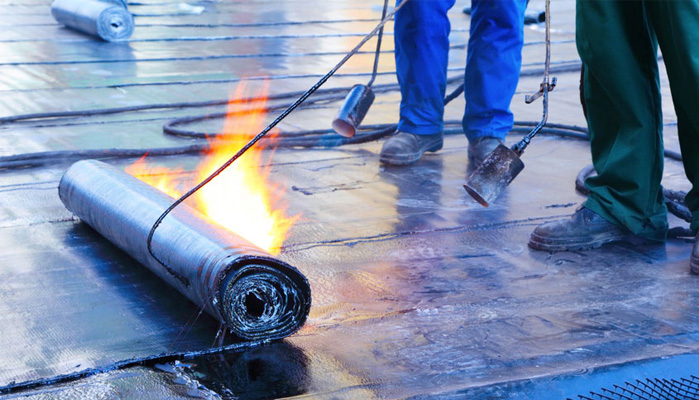
- Bituminous Membrane: This method uses bitumen-based materials, typically in the form of sheets or rolls. Bituminous membranes are durable and provide excellent waterproofing for flat roofs and underground structures.
- Cementitious Waterproofing: Cementitious products are easy to apply and often used in internal wet areas such as bathrooms and basements. They involve mixing cement-based products with other materials to create a waterproof coating.
- Polyurethane Liquid Membrane: Polyurethane waterproofing is highly elastic and suitable for flat roofs exposed to weathering. It forms a continuous membrane that is resistant to UV rays and chemicals.
- EPDM Rubber: Ethylene Propylene Diene Monomer (EPDM) rubber is a synthetic rubber material used for waterproofing roofs. It is highly durable and flexible, making it ideal for large areas.
Applications of Waterproofing
- Foundations: Waterproofing foundations is essential to prevent water from entering the building through the ground. This includes applying waterproof coatings or membranes to the foundation walls and floors.
- Roofs: Roof waterproofing protects the building from rain and snow. Different methods such as liquid membranes, bituminous membranes, and EPDM rubber can be used depending on the roof type and requirements.
- Basements: Basements are prone to water infiltration due to their location below ground level. Waterproofing basements involves treating the walls and floors to prevent water seepage.
- Bathrooms and Kitchens: Internal wet areas such as bathrooms and kitchens require waterproofing to prevent water from damaging adjacent areas and structural components. Cementitious waterproofing is commonly used in these areas.
- Balconies and Terraces: Waterproofing balconies and terraces is crucial to prevent water from penetrating into the building’s interior spaces. Liquid membranes and bituminous membranes are effective for these applications.
- Tunnels and Bridges: Infrastructure projects such as tunnels and bridges also require waterproofing to protect against water ingress that can compromise structural integrity and safety.
Considerations for Waterproofing
- Material Selection: Choosing the right waterproofing material is critical for the success of the project. Factors to consider include the type of structure, environmental conditions, and specific waterproofing needs.
- Surface Preparation: Proper surface preparation is essential for effective waterproofing. This involves cleaning, repairing cracks, and ensuring the surface is dry and free from contaminants.
- Application Method: The application method should be chosen based on the type of waterproofing material and the specific requirements of the project. Proper application techniques ensure a seamless and effective waterproof barrier.
- Environmental Conditions: Consider the environmental conditions during and after the waterproofing application. Factors such as temperature, humidity, and exposure to UV rays can affect the performance of the waterproofing system.
- Maintenance: Regular maintenance and inspections are necessary to ensure the longevity of the waterproofing system. This includes checking for signs of damage or wear and promptly addressing any issues.
Conclusion
Waterproofing is an essential aspect of construction that protects structures from water damage, enhances durability, and ensures a healthy living environment. By understanding the benefits, methods, and applications of waterproofing, construction professionals can make informed decisions to effectively protect their buildings. Proper material selection, surface preparation, and application techniques are crucial for achieving a reliable and long-lasting waterproof barrier.